Showing posts with label Education News. Show all posts

Tuesday, November 17, 2009

Smart school are implementing in Malaysia

1 08 2009

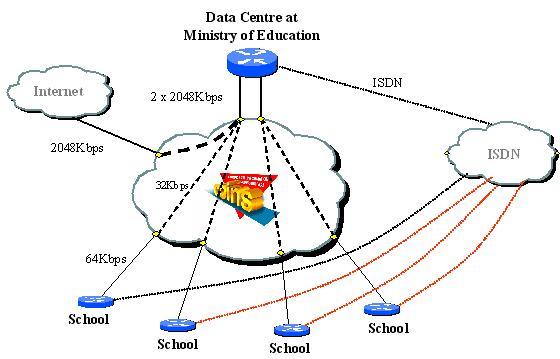
Revisiting Malaysia’s Smart School Pilot Project:The pilot project was intended to introduce ICT technologies to schools in Malaysia. 87 schools had been identified all over Malaysia for the pilot project. Deployment of computers which are inter-connected with all other smart-schools is not enough to make the deal looks convincing, thus the project team in-charge came out with a solution called the Smart School Integrated Solutions (SSIS) .
The main components of SSIS are the teaching-learning materials, the smart school management system (SSMS), technology infrastructure, systems integrations and support systems.

The Corporate Information Superhighway (COINS), a fast, open, nationwide and globally connected broadband multimedia communications network with a capacity of up to 10 Gbps. In addition, all the schools have a dedicated Integrated Services Digital Network (ISDN) back-up line in the event that the COINS line is down.

Najib: M’sian education system must change

9 08 2009

KUALA LUMPUR: Malaysian students are too passive and the education system must change to challenge and encourage them to be more curious, said Datuk Seri Najib Tun Razak.
The Deputy Prime Minister said that Malaysian minds were just not inquisitive and challenged enough.

“Our education system must change. Our children are just not curious enough. They must be curious about the world. They must ask questions,” he said.
“Malaysians are very good at rote learning. They spend hours learning,” he said, adding that society too was often passive sometimes out of a sense of respect for the other especially if he or she was more senior.

Najib pointed out that every society that is open to learning and knowledge flourished while those that closed up went into decay.

He, therefore, called for an intellectual renaissance in the country and wanted this to start at universities where the minds of students could be opened up and liberated.
He said Malaysian universities had beautiful physical infrastructure and excellent communications centres that were huge and rather expensive to maintain.
However, he noted that the “intellectual infrastructure” was lacking.

He said that more openness and a greater infusion of knowledge would create a stronger society.
“The whole paradigm shift must start in schools,” he said, adding that schools should make students curious and inquisitive.

Touching on an example, he said, he was struck by a question at his daughter’s university that asked if the Cold War had ended, a question which even he would have difficulty answering.
“You can’t find the answer in text books. There is no right or wrong. It depends on your power of reasoning and how you articulate your ideas. This is the (thinking) younger generation that we must propagate,” he said in his opening speech at the Seminar on Creating a Blue Ocean in Education and Training Sectors.

He said Malaysians should look at where they were today, where they would like to be in the future and find a way to get there.
“That to me is our challenge. I’m optimistic we will get there,” he added.
At another function on early education and ‘Each Child is a Gem of the Nation’ (Permata), Datuk Seri Najib Tun Razak said the government had recently approved the Permata curriculum and programme for children ages four and below and there would be a national roll out of the programme next year.

He said RM200mil had been set aside under the 2009 Budget for child early education (from age one to six), adding that the Permata curriculum would be made mandatory for private centres.

Najib said there were 8,814 kindergartens in the country, most of which were privately run.
He also noted that as of 2007, only 10% or 3.1mil children in that age group attended day care centres, which was far below the 80% in developed countries.
He said the government recognised that the first four years of a child’s life were formative years and that 90% of rapid brain development happened during these early years and hence there was a need for a holistic type of early education.

Najib’s wife, Datin Seri Rosmah Mansor is the chairman of the Permata committee.
In her speech, Rosmah said, over the last 18 months, they had set up 14 Permata centres all over the country for a total of 380 children with 80 teachers, all with a minimum of a diploma education.

She said Permata was planning to set up another centre in an Indian majority area with the help of Wanita MIC.

She was also in favour of Najib’s suggestion that parents sending their kids to the Permata centre should sign a Aku Janji (I Promise) letter that they would at least spend four hours a month participating in the child’s early education.

Thursday, October 15, 2009

E-Learning Trends - Online Education ? Today’S Buzzword

Students world over are whole-heartedly accepting online education. The advantages of online education have made it the popular mode of education among the students of all age groups in all parts of the world. This growing popularity of online education has led to the emergence of a large number of educational institutions offering online education for a wide range of subjects. The growth of educational institutions offering relearning facilities has been significantly high in the US, Europe and the developed nations of the world.

Online Education- Changing Perception
In the past people perceived online education as an unserious and unscrupulous way of laying hands of a fast degree and getting good grades without much effort and hard work. People also had doubts about the reputation of education institutes offering online education. However, the times have changes significantly and today the majority of educational institutions offering online education are well established. Most of the world’s leading education institutions have commenced online programs, which vindicate the validity of online education. Most of the online courses offer in-depth learning to the students in their respective educational modules.
Factors Contributing To The Growth of Online Education Online education is becoming popular because most of the educational institutions offering online courses ensure qualitative learning. Talented professors and subject matter experts are at the helm of affairs at almost all accredited universities and colleges offering online courses and online degree programs. The students can be assured of good results in such courses.

Here are some factors that have contributed to the fast paced growth of online education:

- Flexible schedule
The biggest advantage of online education is that the students can do effective utilization of their time, which is the most precious resource. People participating in online education have the freedom of maintaining a flexible schedule, which helps them tremendously and it has come as a boon for the people who are working and want to continue their education.

- Student-Centered Learning
The students in online education have an advantage because they are in charge of their learning experience. The students can prioritize their schedule and complete the assignments as per their comfort levels and convenience. This is possible because the teachers in online mode of education are not teaching you all the time. As an online student, you have the liberty to select the mode of learning.

- Fair Playing Field
Online education is growing in popularity because it offers a level playing field to all the students. When you are learning online, your performance is the only criterion that affects the decision-making and your gender, race, ethnicity, nationality, and other considerations do not cloud the decision making process. This is one of the major factors contributing to the growth of online education.

All these advantages of online education may prompt you to join e learning. However, before you take the plunge and enroll in an online course, please make sure that you are familiar with the methodology of online education.

E-Learning and the Younger Generation

When I think about e-learning, I tend to first think about applications for college-level courses and corporate training applications. However, e-learning is catching on in all types of educational settings.

While working on a project for one of my clients, I came across information about an organization called Time 4 Learning, that specializes in e-learning applications for K-12 education encompassing the areas of language arts, math, science, and social studies.

Time 4 Learning’s products are designed for use as part of a comprehensive home school curriculum, as well as for after-school and enrichment learning.

It makes sense e-learning is an excellent tool for engaging children in active learning. As adults, e-learning is still new to us. That is why we look at e-learning and compare it to traditional learning. Traditional learning is only traditional because it is what we know.

When I was a kid, watching Sesame Street on television was a multi-media learning experience, and looking up something in the encyclopedia meant getting World Book down from the bookshelf. To the school-age children of today, Wikipedia may be the only encyclopedia the ever encounter, and television certainly isn’t multimedia.

It’s interesting to realize that to the generation that is school-aged now, e-learning won’t represent a radical deviation from traditional learning at all.

Just something to think about as we’re deciding to resist or adopt technology.

History Of Elearning - A Brief History Of E-Learning And Distance Education

E-learning is a very broad term. It is used to describe any type of learning environment that is computer enhanced. There are multiple technologies that can be employed in E-learning. It has become one of those types of words that are so general as to have lost some of its meaning. Distance learning is something that has evolved from Elearning. It is used to describe a learning environment that takes place away from the actual traditional classroom and campus.
E-learning began at just about the same time that a computer was developed that was practical for personal use. In fact, the concept and practice of distance learning predates the computer area by almost 100 years. In England, in 1840, shorthand classes were being offered by correspondence courses through the mail. The improvements to the postal service made this method of distance learning popular in the early part of the last century. This led to a large number of ?through the mail? type of educational programs. The computer only made distance learning easy and better. Television, video recorders, and even radio have all made a contribution to distance learning.

E-learning and distance learning are not quite the same thing. The basic thing that distinguishes distance education is the physical separation of the student from the instructor and the class room. E-learning, however, became part of the classroom environment from the beginning. The early use of computers was geared to help the classroom instructor. Gradually, as more and more personal computers became available, the idea of online classes was explored by some pioneering Colleges and Universities. The early attempts at distance education were hampered by resistance from traditionalist within the education field.

Some invoked what they called the philosophy of education to demonstrate that the teacher was essential to the educational process. This resistance led to the early online degrees being considered inferior to traditionally obtained degrees. This prejudice extended to the personal departments of major employers. When choosing between two otherwise equally qualified applicants, preference was shown to the person holding the traditional degree. In recent years this has changed drastically. The improvements in E-learning technology and the ability to create virtual classrooms and a virtual learning environment (VLE) has gradually broken down the resistance. This process has been helped by the emergence of a new generation that was weaned on the computer. It would not be surprising if within another generation, the pendulum shifts completely and the online degree is the one that is respected and coveted.
Natalie Aranda writes about learning and technology. E-learning is a very broad term. It is used to describe any type of learning environment that is computer enhanced. There are multiple technologies that can be employed in Elearning. It has become one of those types of words that are so general as to have lost some of its meaning.

Tuesday, October 13, 2009

Calon SPM dihad ambil 10 subjek

Oleh AINOL AMRIZ ISMAIL

Tan Sri Muhyiddin Yassin berkata, kerajaan telah memutuskan calon Sijil Pelajaran Malaysia (SPM) mulai tahun depan tidak lagi boleh mengambil lebih daripada 10 mata pelajaran.

Menurut Timbalan Perdana Menteri, perbincangan mengenainya telah dibuat di peringkat Kementerian Pelajaran dan keputusan itu juga sekali gus membawa perubahan dalam sistem penggredan mata pelajaran.

"Kita akan mengehadkan 10 subjek sahaja untuk peperiksaan SPM pada tahun 2010 dan kementerian perlu membuat beberapa perubahan dalam penggredannya,” ujarnya.

Beliau berkata demikian kepada pemberita selepas majlis peletakan batu asas Kompleks Pendidikan Bandar Enstek, Nilai dekat sini hari ini.

Turut hadir Menteri Kerja Raya, Datuk Shaziman Abu Mansor; Menteri Besar, Datuk Seri Mohamad Hasan dan Ketua Setiausaha Kementerian Pelajaran, Tan Sri Zulkurnain Awang.

Beliau yang juga Menteri Pelajaran memberitahu, berdasarkan keadaan semasa, jumlah pelajar yang mengambil lebih 10 subjek pada peperiksaan SPM tahun lalu cuma 48,000 berbanding 500,000 yang mendudukinya seluruh negara.

"Cuma 10 peratus yang mengambil lebih 10 subjek. Kita percaya dengan perubahan ini, 90 peratus pelajar yang kekal dalam 10 subjek atau kurang akan memperlihatkan angka yang sama tahun ini.

"Perkembangan ini sudah tentulah memberikan impak positif dalam kaedah pengajaran guru di sekolah kerana mereka boleh menumpukan khusus kepada 10 subjek berkenaan.

"Selain itu ia juga mengurangkan kos kepada ibu bapa yang terpaksa menghantar anak mengikuti kelas tuisyen kerana pengajaran dalam subjek pilihan tidak dibuat secara konsisten di sekolah,” kata beliau.

Muhyiddin juga menjelaskan, ketika ini kekemasan pelaksanaan peperiksaan 10 subjek dalam SPM itu sedang diperincikan oleh pegawai di kementerian berkenaan.

"Memang sistem penggredan akan berlaku perubahan dan kita akan melihat kemungkinan pelajar mendapat A+, A atau A- atau B+, B mahupun B- bertambah ramai.

"Ini akan diperhalusi kerana ia juga akan melihat kaedah terbaik dalam pemberian biasiswa kepada pelajar yang cemerlang dalam subjek terbabit. Ia akan dilakukan dengan sebaik mungkin,” kata beliau.

Semalam Timbalan Menteri Pelajaran, Datuk Dr. Wee Ka Siong berkata, sekumpulan ahli akademik dan profesional telah memulakan kajian terhadap cadangan kerajaan untuk mengehadkan jumlah subjek yang boleh diambil pelajar dalam peperiksaan Sijil Pelajaran Malaysia (SPM).

Menurutnya, kajian itu yang dijalankan atas arahan Timbalan Perdana Menteri akan melibatkan semua aspek.

Antara aspek yang dikaji ialah perbandingan tahap kecemerlangan pelajar termasuk mengkaji apakah pelajar yang memperoleh 21A itu cemerlang, tetapi mereka yang skor A dalam semua sembilan mata pelajaran yang diambil tidak cemerlang.Dalam kajian yang dibuat itu juga, kementerian tersebut ingin mendapatkan kepastian tujuan sebenar pelajar berkenaan mengambil lebih daripada 10 subjek dan rasionalnya mengambil subjek bertindih dan skor A.
Beliau seterusnya mencadangkan dana asing ditubuhkan menerusi sumbangan wang oleh syarikat-syarikat mega kepunyaan bukan Melayu yang mendapat kontrak daripada projek-projek kerajaan.

Ketua Umum, Badan Bertindak Perpaduan Melayu (BBPM), Osman Abu Bakar pula menyokong pemberian biasiswa JPA berdasarkan meritokrasi dengan pembahagian 60 peratus kepada bumiputera dan 40 peratus kepada bukan bumiputera.

Menurutnya, rasional pengagihan dengan kadar itu ialah orang-orang Melayu masih ketinggalan dalam bidang pendidikan berikutan pencapaian ekonomi keluarga yang masih rendah.

Katanya, calon yang mempunyai keupayaan menyeluruh sebagai kriteria layak menerima biasiswa tidak perlu diwajibkan sebaliknya yang penting pelajar Melayu berpeluang melanjutkan pelajaran menerusi biasiswa.

Syed Anuar Syed Mohamad selaku Timbalan Presiden Gabungan Pelajar Melayu Semenanjung (GPMS) pula berpandangan, pemberian biasiswa cara meritokrasi adalah cara terbaik.
Bagaimanapun tegasnya, kuota biasiswa untuk bumiputera seperti yang diperuntukkan dalam Perkara 153 Perlembagaan Malaysia tidak perlu disentuh.

Dalam pada itu beliau bersetuju kriteria pemberian biasiswa berasaskan keupayaan menyeluruh pelajar kerana kini 10 peratus aktiviti kokurikulum juga jadi penentu pelajar memasuki institusi pengajian tinggi (IPT).

GPMS dalam perkara ini katanya selalu menasihati pelajar mengambil peluang tersebut untuk melayakkan mereka ke IPTA.

Jangan mansuhkan biasiswa sedia ada

Pentadbir institusi pengajian tinggi menyambut baik usaha kerajaan mewujudkan kategori khas biasiswa Jabatan Perkhidmatan awam (JPA) yang dikenali sebagai biasiswa Nasional.

Menurut mereka, pemberian biasiswa itu akan memberi peluang kepada lebih ramai pelajar cemerlang mendapat pembiayaan tetapi pada masa yang sama berharap biasiswa sedia ada dapat dikekalkan.

Naib Canselor Universiti Teknologi Mara (UiTM), Professor Tan Sri Dr. Ibrahim Abu Shah berkata, program biasiswa itu adlah baik kerana ia akan mewujudkan budaya bersaing di kalangan pelajar.

“Bagaimanapun biasiswa sedia ada di bawah JPA perlu diteruskan mengikut peruntukan sedia ada dan tidak dimansuhkan atau diganggu gugat peranannya,” kata beliau ketika dihubungi Utusan Malaysia di sini hari ini.

Menurutnya, biasiswa sedia ada bertujuan membantu pelajar bumiputera di luar bandar serta yang kurang berkemampuan meneruskan pengajian.

Perdana Menteri, Datuk Seri Najib Tun Razak semalam mengumumkan kerajaan akan mewujudkan satu kategori khas biasiswa JPA dikenali sebagai Biasiswa Nasional yang kelayakannya 100 peratus berdasarkan merit mulai tahun depan.

Menurut beliau, kajian semula pengagihan biasiswa JPA itu menetapkan hanya pelajar yang meraih keputusan peperiksaan terbaik akan memperoleh biasiswa tersebut tanpa mengira kaum dan agama.

Sementara itu, Naib Canselor Universiti Putra Malaysia (UPM), Prof. datuk Dr. Nik Mustapha R. Abdullah pula berharap Biasiswa Nasional juga meminta kerajaan mengekalkan biasiswa sedia ada.

“Biasiswa Nasional boleh ditawarkan sebagai satu biasiswa khusus dan ia tidak sama dengan biasiswa khusus dan ia tidak sama dengan biasiswa sedia ada untuk memberi keadilan kepada pelajar luar bandar,” katanya.

Timbalan Presiden Gabungan Pelajar Melayu Semenanjung (GPMS), Syed Anuar Mohamad pula berkata, pihaknya menyokong keputusan kerajaan tersebut tetapi dengan syarat biasiswa JPA sedia ada tetap dikekalkan.

Katanya, makna merit juga perlu diperluaskan bukan sahaja pada prestasi bukan sahaja pada prestasi akademi dan kokurikulum sahaja tetapi ia juga mengambil kira beberapa faktor lain.
“makna merit yang digariskan melalui Biasiswa Nasional nanti juga perlu mengambil kira faktor pendapatan, tanggunggan dan lokasi pelajar seperti di luar bandar dan bandar, katanya.
Bekas Pengerusi Pendidikan Pemuda UMNO Malaysia, Ahmad Ikhmal Ismail yang juga merupakan Naib Ketua UMNO Bahagian Jerai pula berkata, keputusan kerajaan itu adalah langkah jangka panjang yang baik bagi mengurangkan kebergantungan kaum bumiputera kepada kerajaan.

Bagaimanapun, katanya kerajaan diminta mengumumkan ciri-ciri Biasiswa Nasional termasuk jumlah peruntukan yang disediakan, kelayakan pemohon dan bentuk merit yang dimaksudkan.
Katanya, pemberian biasiswa itu juga perlu mengambil kira aktiviti kokurikulum serta aspek kepimpinan pelajar setiap hari di sekolah.

Beliau berkata, JPA juga disaran mengehadkan pemohon biasiswa kepada pelajar yang mendapat keputusan peperiksaan Sijil Pelajaran Malaysia (SPM) 9A, 1B ke atas sahaja.

“Ini akan menghapuskan dakwaan sesetengah pihak tertentu bahawa kononnya pelajar yang tidak layak akademik juga diberikan biasiswa daripada kerajaan,” katanya.

Wajib lulus Bahasa Inggeris 2012

oleh HISHAM IDRIS

Kerajaan menimbang kemungkinan untuk mewajibkan calon Sijil Pelajaran Malaysia (SPM) lulus subjek Bahasa Inggeris sebagai syarat kelayakan untuk mendapatkan sijil menjelang tahun 2012.

Timbalan Menteri Pelajaran, Dr. Mohd. Puad Zarkashi berkata, pertimbangan itu adalah berdasarkan cadangan yang diterima daripada pelbagai pihak dan 85 peratus daripadanya bersetuju untuk melaksanakannya.

Bagaimanapun katanya, beberapa perkara penting perlu diperhalusi bagi meningkatkan mutu pengajaran dan pembelajaran subjek tersebut sebelum ia dilaksanakan.

“Kita tidak mahu terburu-buru dan kita kena pastikan tenaga pengajar mencukupi serta kualiti guru-guru terlibat meningkat.

“Tenaga pengajar luar dari United Kingdom dan Australia seperti yang dicadangkan oleh Menteri Pelajaran, Tan Sri Muhyiddin Yassin turut dipertimbangkan bagi tujuan tersebut,” katanya.

Beliau berkata demikian selepas merasmikan Seminar First Steps di Dewan Merdeka, Pusat Dagangan Dunia Putra anjuran FTM Bina Sdn. Bhd., dan Pearson Education bersama Bahagian Pendidikan Guru, Kementerian Pelajaran di sini semalam.

Jelas Mohd. Puad, untuk melaksanakan perkara tersebut, bahagian kokurikulum dan pentafsiran telah diarah melakukan kajian terperinci.

Wednesday, September 30, 2009

Education System of Malaysia

Education System of Malaysia

An Overview
Education is the responsibility of the Government and it is committed to providing a sound education to all. The Malaysian education system encompasses education beginning from pre-school to university. Pre-tertiary education (pre-school to secondary education) is under the jurisdiction of the Ministry of Education (MOE) while tertiary or higher education is the responsibility of the Ministry of Higher Education (MOHE). The vision of the Government is to make Malaysia a centre of educational excellence.

Primary and Secondary Education
Primary education (a period of 6 years) and secondary education (5 years which encompasses 3 years of lower secondary and 2 years of upper secondary) make up 11 years of free education.
The admission age to the first year of primary education is seven. Primary schooling is mandatory for all children between the ages of 7 and 12. Students sit for common public examinations at the end of primary, lower secondary and upper secondary levels.

Post-secondary Education
Upon completion of secondary education, students can opt to pursue 1 to 2 years ofpost-secondary education. This is the university entrance preparatory course. In total, the 12 years of school education serves as the basic entry requirement into Year One of a bachelor’s degree programme in higher educational institutions.

Tertiary Education
At tertiary education level, institutions of higher learning offer courses leading to the awards of certificate, diploma, first degree and higher degree qualifications (at academic and professional fields). The duration of study for a basic bachelor degree programme is 3 years and the courses of study at this level are provided by both the public and private education sectors, attracting many international students.

Tertiary education providers consist of two major groups :
-Public (government-funded) institutions of higher learning, for example, public universities, polytechnics, community colleges and teacher training institutes.
-Private (private-funded) higher educational institutions (PHEIs), for example, private universities, private university colleges, foreign branch campus universities and private colleges.


Government-funded Educational Institutions

The Government provides more than 95% of primary and secondary education as well as about 60% of the tertiary education, with the private sector providing the balance.


Private-funded Educational Institutions

The private education providers in Malaysia can be broadly grouped into 2 categories, depending on the levels of education offered, ranging from pre-school to tertiary education. These two categories of private institutions are :
-Private Educational Institutions (PEIs) which provide education at preschool, primary and secondary levels. They comprise private schools and foreign system schools.
-Private Higher Educational Institutions (PHEIs) which provide tertiary education leading to the awarding of certificate, diploma and degree qualifications.

Latest Malaysia Education

Berita Harian Online
Latest current Malaysia and world education news reports from newspapers in Malaysia - Berita Harian
http://www.bharian.com.my/

theSun
Latest current Malaysia and world education news reports from newspapers in Malaysia - The Sun
http://www.thesundaily.com/

Utusan Malaysia Online - Pendidikan
Latest current Malaysia and world education news reports from newspapers in Malaysia - Utusan Malaysia
http://www.utusan.com.my/

The Star Online: Education
Latest current Malaysia and world education news reports from newspapers in Malaysia - The Star
http://www.thestar.com.my/

Kementerian Pelajaran Malaysia
Berita - Kementerian Pelajaran Malaysia

Tuesday, September 29, 2009

Why Study in Malaysia?

Students and their parents have many things to consider when deciding on where and what to study. In choosing Malaysia as a study destination, students benefit from:

• An international standard and high quality education, which is closely monitored by the Malaysian Education Ministries through their quality control authorities and appropriate legislation such as The Education Act, 1996, The Private Higher Educational Institutions Act, 1996 and The Malaysian Qualifications Agency Act 2007.
• Competitive course fees and an extensive selection of popular courses.
• A wide range of study options and universities and colleges to choose from.
• Twinning degrees & 3+0 degree programmes conducted in Malaysia, which offer a cost-effective route for quality education and qualifications from universities in the United Kingdom, USA, Australia, Canada, New Zealand and France.
• Foreign Branch Campus Universities operating in Malaysia, which enable students to acquire their prestigious university qualifications in a country that has lower living expenses.
• Wide usage of English, which makes living and studying easy for students who are proficient in English while at the same time creating an environment for those who want to pick up the language.
• Life in a multicultural society, where Malaysians of different races and religions live in peace and tolerance with each other.
• The experience gained in providing education to the existing 50,000 international students from more than 100 countries, which testifies to the world-wide acceptance of Malaysia as a favoured destination for further study.
• Hassle-free immigration procedures, which enable foreign students to have easy entry into Malaysian higher educational institutions.
• Affordable living expenses, which can be as low as RM12,000.00 (USD3,750) per year.
• Student-friendly laws, which allow international students to work part-time for a maximum of 20 hours per week, while studying full time in Malaysia (subject to immigration requirements).
• An economically sound and socially safe country, which has a stable government and a low serious crime rate.
• A geographically safe environment, with Malaysia situated in a zone free from most natural disasters.
• A food paradise which has a huge variety of cuisines available including vegetarian, halal, ethnic and western.
• An excellent transportation system, which allows for easy mobility and a huge variety of interesting places to visit for relaxation.
Welcome To Malaysia! - "Selamat Datang Ke Malaysia!"

Monday, September 28, 2009

Malaysia Centre of Educational Excellence

The Malaysian international education sector has grown tremendously during the past decade and Malaysia is fast becoming a centre of educational excellence in the region. Malaysia currently houses more than 50,000 international students from more than 100 countries and it is proud to be the study destination of choice, offering quality international education at an affordable cost. Besides the relatively low cost of education, many choose to study here because they recognise Malaysia as an ideal gateway to develop their Asian network and relationships. They are also able to learn from Malaysian’s great diversity, rapid economic development and peaceful and harmonious multicultural society!

The country is set to welcome 80,000 international students to study in Malaysia by the year 2010. Higher education opportunities in Malaysia are provided by 20 public universities, 24 polytechnics, 37 public community colleges, 33 private universities, 4 foreign university branch campuses and about 500 private colleges. There are also various other higher educational institutions from the UK, US, Australia, Canada, France, Germany and New Zealand which offer twinning and franchised degree programmes through partnerships with Malaysian colleges and universities.

The 38 international schools (American, Australian and Britishstyled) and 12 expatriate schools which include French, German, Japanese and Taiwanese schools have facilities for students from pre-school to upper secondary levels. They provide parents with many options of pre-tertiary international education at affordable fees.

Sunday, September 27, 2009

Six Easy Steps to Study in Malaysia

1 The student submits an application form for study, together with the relevant documents to the intended educational institution which has the official approval from the Ministry of Home Affairs (Immigration Department) to recruit international students.

2 The student’s application is accepted by the educational institution, which then helps to apply for a student pass at the Malaysian Immigration Department in Malaysia (except for students from the PRC).

3 Upon acceptance, a letter of approval for the student pass is released by the Malaysian Immigration Department to the educational institution for them to pass on to the student.

4 Before leaving his/her country for Malaysia, the student informs the educational institution of his/her port of entry (airport), flight number, arrival date and time.

5 Upon arrival at the airport in Malaysia, the educational institution’s representative receives the student at the immigration check-point.

6 Within 2 weeks of the student’s arrival, the educational institution submits the student’s passport to the Immigration Department, which attaches the student pass sticker.